
Abstract
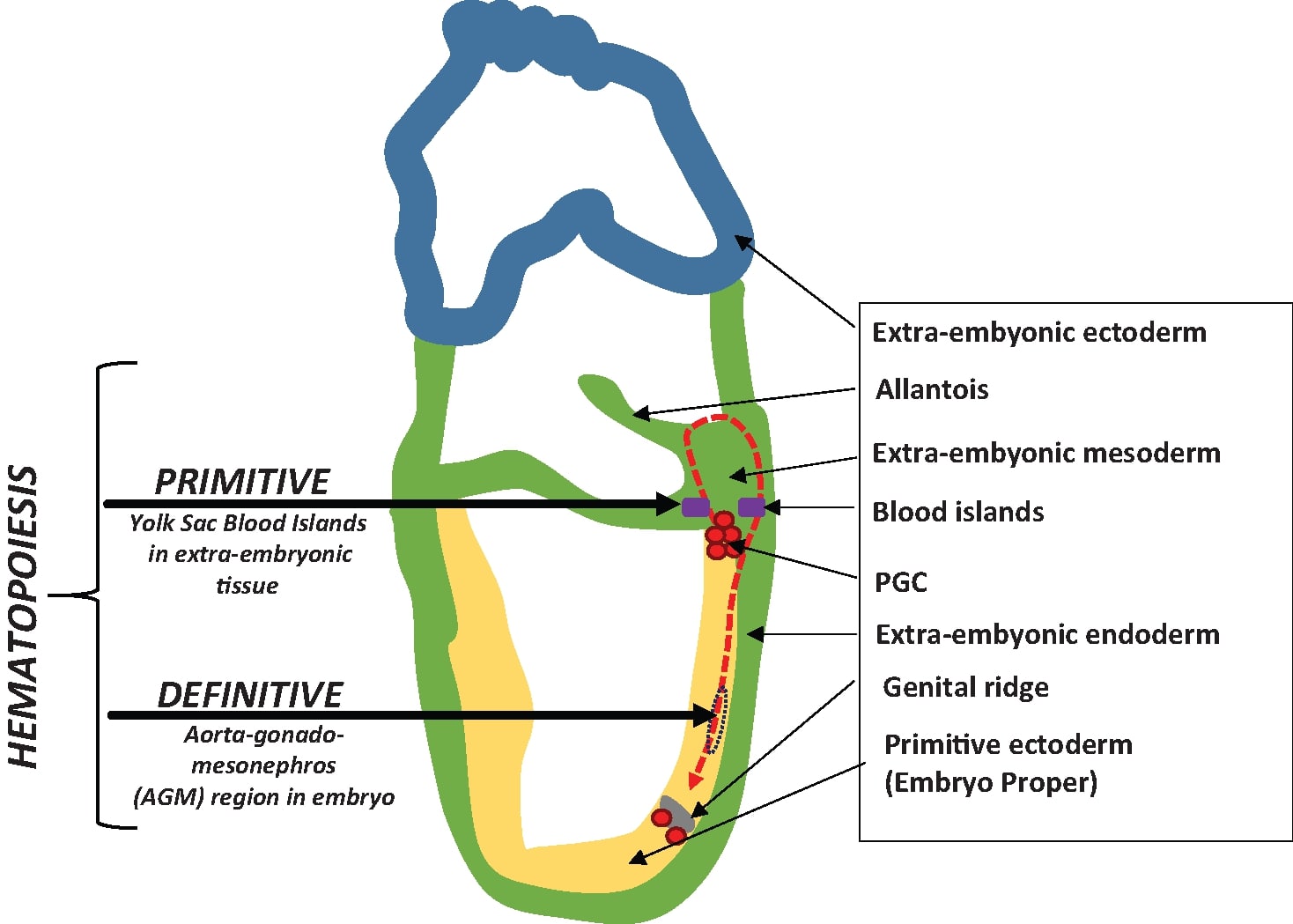
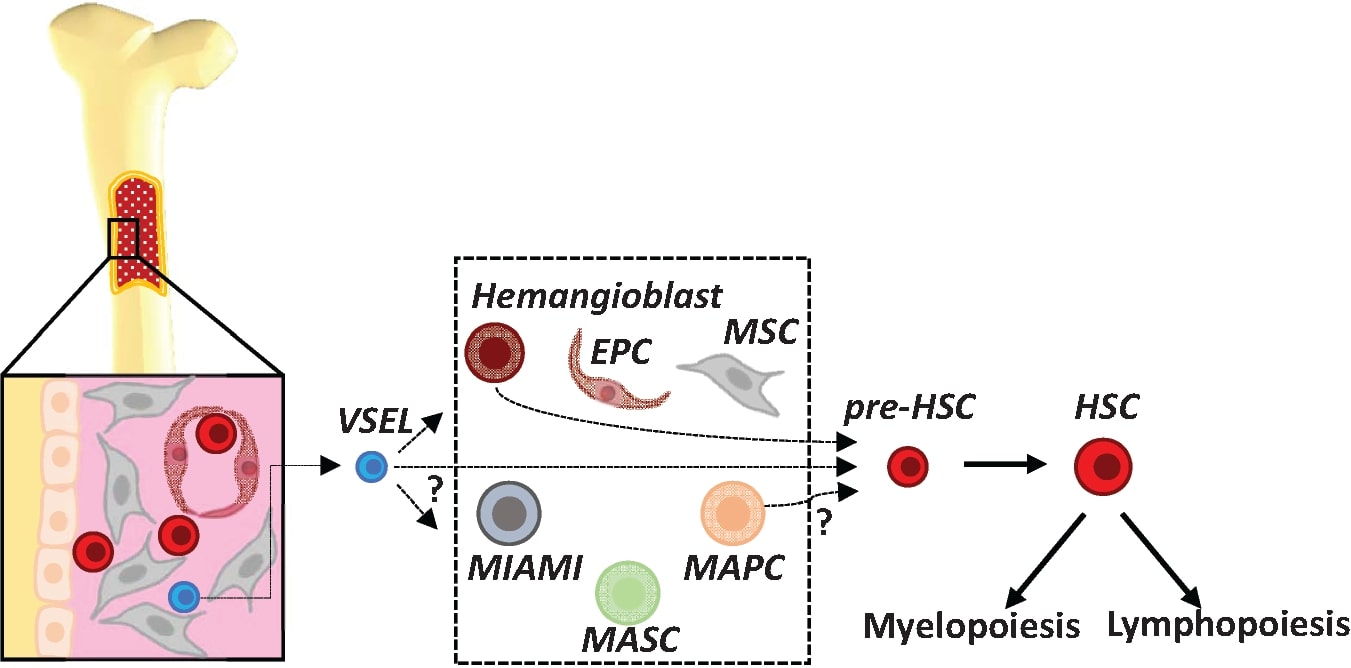
Evidence has accumulated that postnatal tissues contain developmentally early stem cells that remain in a dormant
state, as well as stem cells that are more proliferative, supplying tissue-specific progenitor cells and thus playing a more active role
in the turnover of adult tissues. The most primitive, dormant, postnatal tissue-derived stem cells, called very small embryonic like
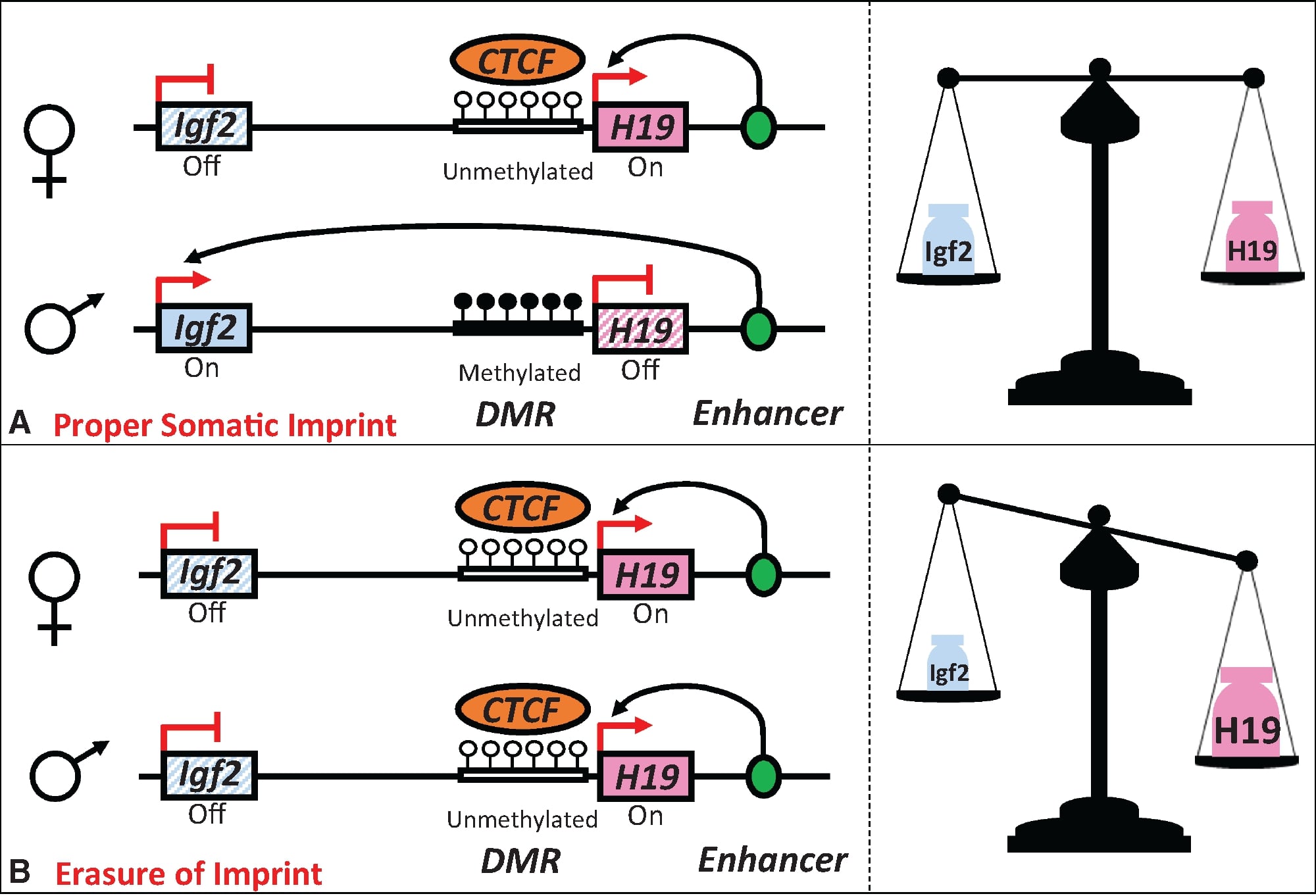
stem cells (VSELs), are regulated by epigenetic changes in the expression of certain parentally imprinted genes, a molecular
phenomenon previously described for maintaining primordial germ cells (PGCs) in a quiescent state. Specifically, they show
erasure of parental imprinting at the Igf2–H19 locus, which keeps them in a quiescent state in a similar manner as migrating PGCs.
To date, the presence of these cells in adult postnatal tissues have been demonstrated by at least 25 independent laboratories.
We envision that similar changes in expression of parentally imprinted genes may also play a role in the quiescence of dormant
VSELs present in other non-hematopoietic tissues. Recent data indicate that VSELs expand in vivo and in vitro after
reestablishment of somatic imprinting at the Igf2-H19 locus by nicotinamide treatment in response to stimulation by pituitary
gonadotrophins (follicle stimulating factor, luteinizing hormone and prolactin) and gonadal androgens and estrogens. These cells
could be also successfully expanded ex vivo in the presence of the small molecule UM177.
PSCRO.2019.7e1001 (June 17, 2019)
Mariusz Z. Ratajczak, Alison Domingues, Suman Suman, Alex R. Straughn, Sham S. Kakar, and
Malwina Suszynska
DOI: 10.14343/PSCRO.2019.7e1001